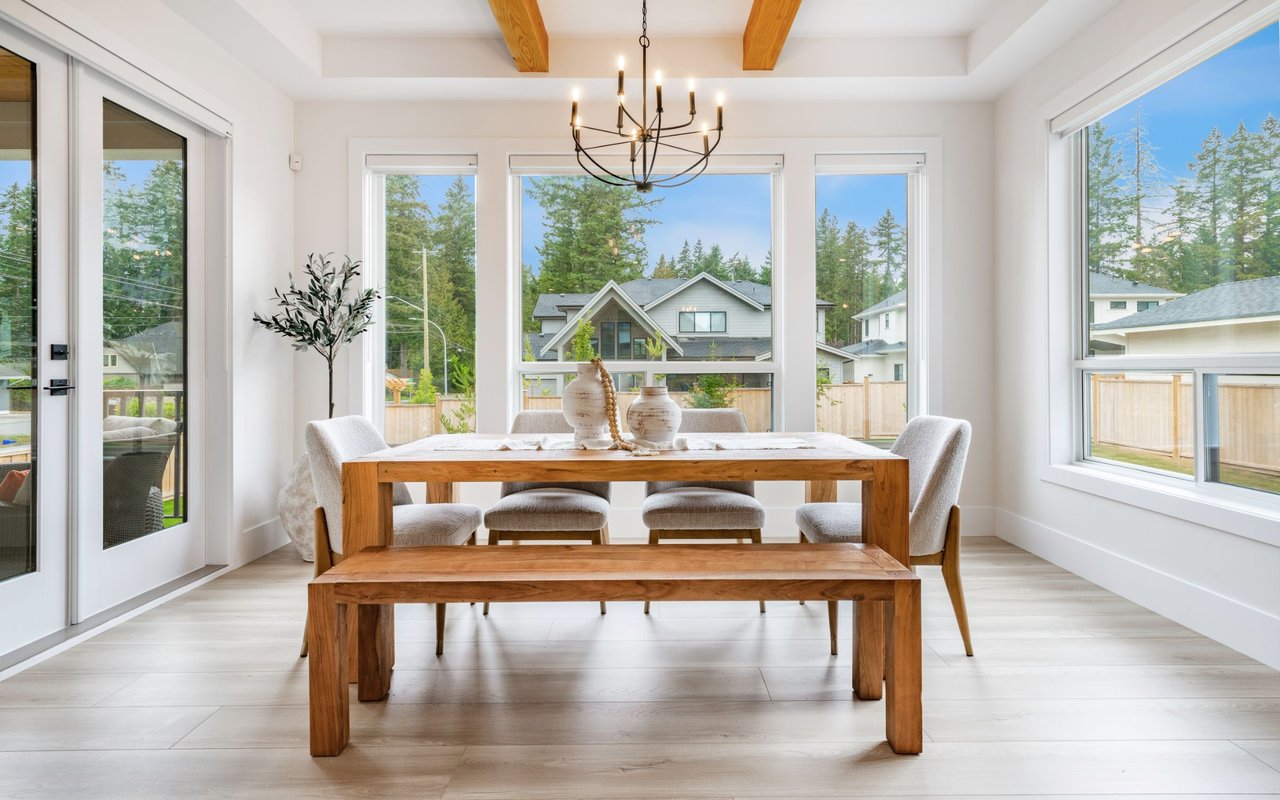
Spring in St. Croix County comes with longer days, greener yards, and a surge of buyers ready to move. If you plan to sell, you want your home to shine the moment that demand hits. The good news is you can set yourself up for a faster, smoother sale with a clear plan and a few high-impact steps.
In this guide, you will learn how to time your listing, tackle smart pre-list repairs, stage for spring, and launch with strong marketing. You will also see what to prepare if your home has a septic or well, sits near the St. Croix River, or needs special inspections. Let’s dive in.
Why spring works in St. Croix County
Spring is an active season because buyers start touring again after winter, and curb appeal improves as the snow melts. In our border market, many buyers also commute to the Twin Cities, so well-presented homes in Hudson, River Falls, New Richmond, Somerset, and nearby communities get attention quickly.
Plan to be photo-ready by early spring so you can list when local demand picks up. Some years see a strong late-spring push, so check current trends before you set your date. You can review state-level data through the Wisconsin REALTORS Association and discuss neighborhood-level activity with your listing agent.
Tip: Many sellers choose a mid-week launch to build weekend showings. Talk with your agent about the best day to list based on local patterns.
Build your prep timeline
8+ weeks out: Plan and assess
- Schedule a pre-list consultation and consider a seller’s pre-list inspection to identify issues early.
- Start decluttering and organizing storage. Aim to remove 50 to 70 percent of personal items.
- Gather documents: utility averages, appliance manuals, service records, surveys, and any HOA info.
- If your home is older or rural, locate septic and well records and any prior inspection reports.
4–6 weeks out: Knock out repairs and updates
- Complete safety and systems fixes first. Prioritize electrical, HVAC, roof, plumbing, and any active leaks.
- Paint high-impact rooms in neutral tones. Repair damaged flooring and replace fogged or cracked windows.
- Begin spring yard cleanup. Power wash siding and walkways, and tidy the garage and basement.
- Book your stager and photographer so you are not rushed.
1–2 weeks out: Stage and polish
- Deep clean carpets, windows, grout, and vents.
- Stage main living areas, bedrooms, and the entry. Create clear traffic flow and remove visual clutter.
- Refresh caulking in kitchens and baths. Update dated hardware where it makes a clear impact.
- Confirm photo day timing and weather. Prep a short list of highlight features for your photographer.
Listing week: Launch strong
- Go live with full professional photos, accurate details, and a compelling description.
- Schedule open houses and a broker open if appropriate.
- Promote the listing through targeted social ads aimed at local ZIP codes and Twin Cities commuters.
- Set up a process to collect and review showing feedback quickly.
First 2 weeks on market: Monitor and adjust
- Track showings, feedback, and competing listings.
- Stay flexible on timing for tours and open houses.
- If activity lags, discuss small pricing or marketing adjustments early.
Repairs, inspections, and disclosures
Consider a pre-list inspection
A pre-list inspection can surface repairs before buyers find them. Fixing issues upfront often reduces renegotiations and speeds up closing. You will also be able to present your home with confidence and clear documentation.
If your home was built before 1978, federal law requires a lead-based paint disclosure. Your agent can guide you through the standard Wisconsin forms and timeline.
Septic, well, and floodplain checks
For rural homes, buyers expect clarity on septic and well status. Review your service records and be ready for an inspection request. You can find county-level rules and contacts through St. Croix County’s official website for Environmental Services and Planning and Zoning. Homes near the St. Croix River or local tributaries may have floodplain or wetland considerations. Verify any restrictions and discuss insurance implications early.
Safety and function come first
Address the basics before cosmetics. High-priority items include:
- Electrical concerns, HVAC issues, roof leaks, and plumbing defects
- Structural problems and active pest issues
- Water stains, moisture, or mold in basements and attics
Then boost buyer confidence with visible maintenance:
- Fresh neutral paint, clean trim, and repaired drywall
- Smooth-operating doors, locks, and windows
- Repaired flooring and safe, sturdy stairs
Keep service records handy for the furnace, water heater, septic pumping, and recent repairs. Organized documentation reassures buyers and speeds inspections.
Cost vs. return
Cosmetic updates like paint, trim touch-ups, hardware swaps, caulking, and basic landscaping usually offer a strong visual return for a modest cost. Industry data often shows that moderate kitchen and bath updates and curb appeal projects outperform large-scale remodels on return. For broader trends, review the annual Cost vs. Value Report from Remodeling.
Avoid over-investing in high-end finishes unless your local comps support them. Your agent will help you align upgrades with neighborhood expectations.
Documents to gather
- Wisconsin disclosure forms, including the Seller’s Real Estate Condition Report
- Manuals, warranties, utility summaries, and any surveys or easements
- HOA documents or covenants if applicable
- Septic and well records for rural properties
You can verify contractor licensing through the Wisconsin Department of Safety and Professional Services when hiring help for repairs.
Stage for spring appeal
Guide buyers through the space
Staging helps buyers picture how they will live in your home. Focus on open sightlines, natural light, and clear room purposes. In St. Croix County, buyers often look closely at basements, garages, and outdoor areas, so treat these as important living and storage zones.
Industry surveys show staged homes can attract more interest and sell faster. To understand how presentation influences buyer behavior, review research from the National Association of REALTORS.
Simple staging checklist
- Declutter and depersonalize. Put away most personal photos and collectibles.
- Deep clean carpets, windows, grout, and vents. Neutralize strong odors.
- Use light, neutral bedding and add lamps to show scale in bedrooms.
- Clear kitchen and bath counters. Replace worn caulking and consider updated hardware.
- Arrange furniture to emphasize function and traffic flow.
- Stage the basement as usable space where practical, such as a home office or rec area.
- Organize the garage to show easy parking and storage.
Curb appeal in early spring
- Power wash siding and walkways. Clean gutters and downspouts.
- Mulch beds, remove winter debris, and trim shrubs. Edge the lawn as it greens up.
- Refresh the front door with paint or replacement if worn. Update lighting and house numbers.
- Add potted plants for color once the risk of frost passes.
When to hire a stager
Consider professional staging if your home is higher priced, has an unusual layout, or lacks furniture that shows scale. A stager can recommend color palettes that photograph well and rental options that fit your target buyer profile.
Photography and visual assets
Invest in professional photography
Great photos drive online engagement. Hire a real estate photographer who can capture bright interiors, exterior angles, and your best features. Include enough photos to fully represent the home. Many listings use 20 or more high-quality images, but your agent will tailor the count to your strategy and MLS rules.
Use the right media
- Twilight shots for strong curb appeal
- Drone photos for acreage, waterfront, or large lots
- Floor plans with measurements for clarity
- Virtual tours or 3D scans to engage long-distance buyers
Time your photo day
Aim for a clear day in late winter or early spring after outdoor cleanup and just as the landscape begins to green. If weather is tricky, consider a twilight session to add warmth and contrast.
Pricing and launch strategy
Price to spark interest
Use recent comparable sales and current competition to guide pricing. Consider absorption rates and demand. In low-inventory conditions, small price differences can dramatically impact showings. Your agent will bring MLS data and a local lens to position your listing well.
Nail the first two weeks
- Launch with complete, accurate details and full media.
- Coordinate broker outreach and a broker open if suitable.
- Run targeted social ads that highlight commuter access, parks, and local amenities.
- Host open houses and follow a feedback plan that enables quick adjustments.
MLS syndication will push your listing to major consumer portals while your agent runs targeted campaigns that reach likely buyer groups across the St. Croix Valley and Twin Cities.
Special notes for acreage and river-adjacent homes
If you are selling acreage, highlight parcel boundaries, access points, and any road maintenance arrangements or easements. Aerials are useful for showing the property layout and outbuildings.
If your home is near the St. Croix River or its tributaries, verify floodplain status and any related restrictions through St. Croix County Planning and Zoning. Document shoreline features, docks, and outdoor living areas clearly with photos and notes.
Ready to list with confidence?
A thoughtful plan now can set up a smooth spring sale with strong results. If you want a clear timeline, trusted local resources, and elevated marketing from day one, reach out to the Wiegele Real Estate Group. Schedule your Free Market Consultation with Melissa Wiegele to get started.
FAQs
When should I start preparing for a spring listing?
- Begin 8 to 10 weeks out to allow time for inspections, repairs, staging, and scheduling photos without rushing.
What pre-list repairs matter most for buyers?
- Safety and function first. Address electrical, HVAC, roof, plumbing, and any moisture issues before cosmetics like paint or hardware.
Should I get a pre-list home inspection?
- It can help you fix issues in advance, reduce renegotiations, and support a smoother closing with clear documentation.
How do I handle septic and well requirements in St. Croix County?
- Gather service records early and be ready for inspections. Review local rules and contacts through St. Croix County’s site for Environmental Services.
Do I need to disclose lead-based paint?
- If your home was built before 1978, federal law requires a lead-based paint disclosure. Your agent will provide the correct Wisconsin forms.
What updates usually deliver the best return?
- Modest kitchen and bath refreshes and curb appeal improvements often perform well. See the Cost vs. Value Report for broad trends.
How many photos should my listing include?
- Enough to fully represent the home without repetition. Many listings use 20 or more quality images, plus floor plans or a virtual tour.
What is the best day to list in spring?
- Many sellers choose a mid-week launch to build weekend momentum. Confirm timing with your agent based on local conditions and competition.
How should we price in a competitive market?
- Use recent comps, current competition, and absorption trends. Small pricing differences can change how many buyers see your home in the first two weeks.
What paperwork should I have ready before listing?
- Wisconsin disclosure forms, utility summaries, manuals, warranties, surveys, HOA documents if any, and septic or well records for rural properties.