Dreaming about coffee on the dock and a quick escape from the Twin Cities? Polk County gives you that lakeside life within an easy drive, plus a range of properties that fit weekend getaways or year-round living. In this guide, you’ll learn which lakes to know, what you can buy, realistic price signals, and the rules that shape lakefront ownership. You’ll also get a simple checklist to make your search smoother. Let’s dive in.
Why Polk County for lake life
Polk County is dotted with about 133 lakes, so you have a lot of options for boating, fishing, and quiet coves to explore. You’ll find cozy lake towns, marinas, and seasonal events that make summer feel special. For many buyers, the draw is convenience. Places like Balsam Lake are often described as just over an hour from the Twin Cities, which means more time on the water and less time on the road.
- Learn more about the lake inventory across the county on this regional overview of Polk County lakes.
- Balsam Lake is the county’s largest lake at roughly 2,000 plus acres, anchoring a vibrant recreation scene.
- For Twin Cities buyers, the Balsam Lake area’s proximity helps explain steady demand from metro residents.
What you can buy on the lake
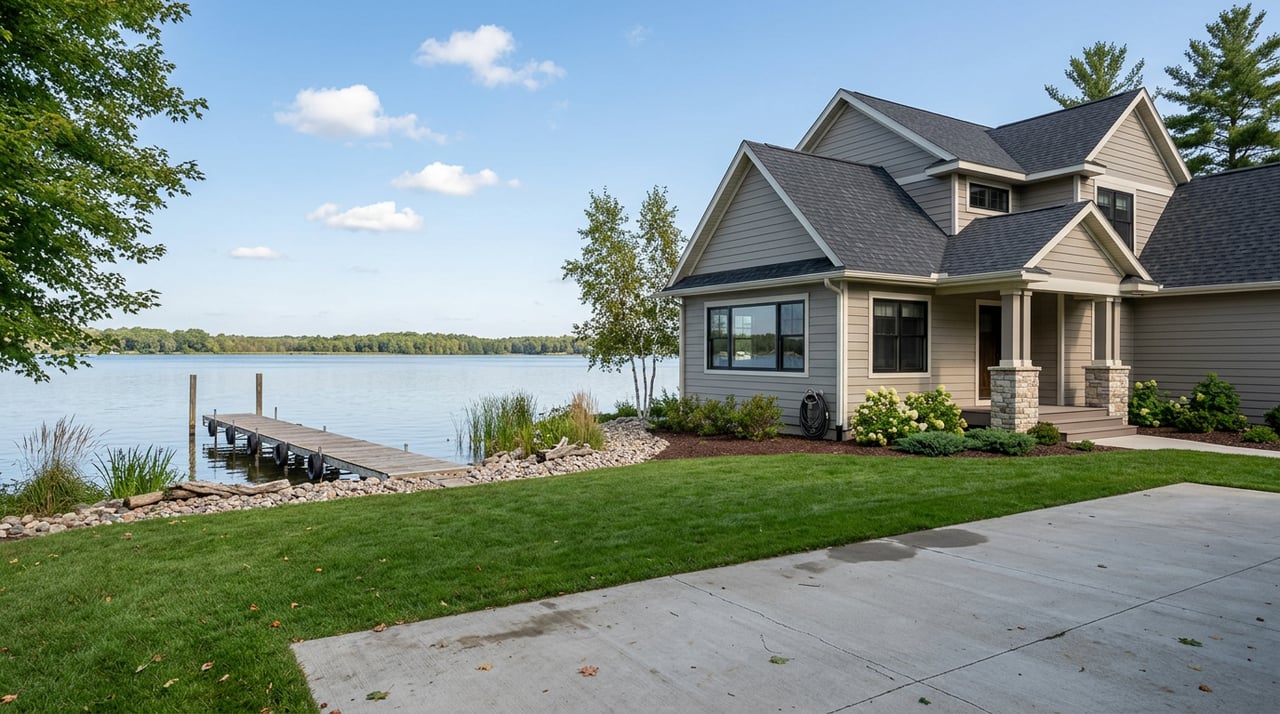
Inventory varies by lake and shoreline. You’ll see seasonal cabins and cottages, renovated year-round homes, newer lake retreats, and vacant lots with private frontage. On larger or premium lakes, you may also find higher-end properties with multiple slips and modern finishes. Many listings include docks, lifts, or small boathouses.
Pricing signals to watch
Expect a wide range driven by lake and lot specifics. In the Balsam Lake area, recent listing snapshots show a ballpark in the low to mid hundreds of thousands for many homes, with raw lots or small seasonal cabins sometimes under 200k. Renovated properties and larger homes on premium lakes can reach well above 700k to 1M plus. Price depends on lake size, frontage feet, home condition, septic and well status, and proximity to services.
Shoreland rules that shape your plans
Wisconsin’s shoreland standards set the framework for nearly every lake lot. Most buildings must be set back 75 feet from the ordinary high-water mark, and a vegetation protection area extends 35 feet inland where clear-cutting is restricted. Limited viewing and access corridors are allowed but capped at no more than 30 percent of your frontage or 200 feet, whichever is less. Impervious surfaces are typically limited to 15 percent of the lot without mitigation, with potential for up to 30 percent with approved mitigation. You can review the state’s shoreland minimums and how counties apply them through the Wisconsin DNR.
- Review Wisconsin shoreland standards and how they apply in counties.
Permits and records: where to look
Polk County’s Division of Zoning issues land-use and sanitary permits and tracks them in its Ascent system. Before you write an offer, ask the seller for the sanitary permit record, the soil test or site evaluation, and any septic maintenance reports. County zoning staff can also help you confirm shoreland overlays, permit history, and whether any conditions apply to the property. These records matter for financing, future projects, and peace of mind.
- Start with Polk County Zoning for permit history and shoreland guidance.
Septic systems on lake properties
If the home has a private onsite wastewater treatment system, get familiar with Wisconsin’s POWTS program. Counties review most single-family systems, and records should show the system type, age, and maintenance status. Common systems include conventional gravity, mound, or holding tanks. Many local programs emphasize routine inspections and pumping on a regular cycle. As a buyer, confirm the system’s location, distance to the well and shoreline, and whether it suits your intended use.
- See Wisconsin DSPS POWTS guidance, forms, and inspection info.
Docks, shoreline work, and plants
Activities that extend into the water or affect the lakebed are regulated by the Wisconsin DNR. Smaller piers that meet the state’s “pier planner” standards may be exempt, but larger or non-conforming structures need a permit. The DNR also uses a common formula to set boat slip counts for shared or multi-unit developments. Work like placing riprap, dredging, or beach grooming below the ordinary high water mark often requires a permit, and using chemicals or mechanized removal for aquatic plants typically needs approval too.
- Review DNR rules for docks, swim rafts, and recreation structures.
- Check permit FAQs for riprap, dredging, and aquatic plant work.
Shared access, outlots, and short-term rentals
Not every “lake access” property is riparian. Some homes rely on outlots, easements, or association access. Polk County adopted ordinance amendments in 2022 to address high-density use of riparian lots, shared access, and short-term rentals. Those updates have been controversial and the subject of legal challenge. The practical takeaway is simple. Confirm whether the parcel is riparian, whether an outlot or easement grants access, and what current county code allows for dock placement and shared rights.
- Read the court of appeals opinion that discusses the ordinance changes.
If you plan to offer short-term rentals, Polk County requires licensing and permits for tourist rooming houses. Check both land-use conditions and the county health department’s lodging rules before you book your first guest.
- See Polk County Health guidance for tourist rooming houses.
AIS awareness and lake groups
Many Polk County lakes participate in Clean Boats Clean Waters launch inspections and local prevention programs. Aquatic invasive species vary by lake, so ask for recent water quality or AIS reports and contact the local lake association. If the lake has a funded inspection or management program, it is helpful to understand what is monitored and how it may affect plant management near your shoreline.
Quick buyer checklist
Use this short list to keep your search focused and your due diligence on track:
- Confirm your access type: riparian frontage, association access, or an outlot or easement. Read recorded easement language and understand current county rules for shared access and docks.
- Verify shoreland classification, setbacks measured from the OHWM, and impervious surface limits. Ask the county about overlays and recent permit history.
- Request sanitary permit records, soil or site evaluations, and septic maintenance logs. Consider a POWTS inspection as a condition of purchase.
- Check dock and shoreline status: existing authorization, slip counts, and whether planned changes require a DNR permit.
- Ask for any recent lake water quality or AIS notes and local lake association contacts.
- Confirm utilities and services: private well, electric, internet options, road maintenance and winter plowing, and proximity to medical services. If you plan year-round living, verify winter access.
- Understand association bylaws if access or maintenance is shared. Note any rental or use limits.
Plan your timeline
Lakefront due diligence takes time. Build in room for records requests, septic inspections, and any DNR or county permit questions tied to your plans. If you are targeting summer use, start early so you can close in time to enjoy the season.
Work with a local team
Buying lakefront is equal parts lifestyle and logistics. With the right plan, you can protect your investment and enjoy the water with confidence. If you are exploring Polk County lake homes, connect with a team that understands shoreland rules, septic records, and cross-border buyer needs. Ready to talk options and timing for your goals? Schedule Your Free Market Consultation with Melissa Wiegele.
FAQs
How long is the drive from the Twin Cities to Balsam Lake?
- Many buyers describe the Balsam Lake area as just over an hour from the Twin Cities, which makes it a practical weekend or summer-home location.
What are the key Wisconsin shoreland setbacks for lake homes?
- Most structures must be 75 feet back from the ordinary high-water mark, and a 35-foot vegetation protection area limits clear-cutting along the shore, with defined viewing corridors allowed.
Do I need a permit for a dock or boat lift in Polk County?
- Smaller piers that meet state standards may be exempt, but larger or non-conforming structures generally need a Wisconsin DNR waterways permit. Always verify your plan before building.
What should I review about a septic system on a lake property?
- Ask for the sanitary permit, soil test, system type and age, and maintenance records. Consider a POWTS inspection and confirm distances to the well and shoreline for compliance.
Can I short-term rent my Polk County lake home?
- Short-term rentals require licensing and permits as tourist rooming houses, and land-use conditions may apply. Confirm current county rules before listing.
How many lakes are in Polk County?
- Roughly 133 lakes are commonly cited, ranging from small quiet waters to larger, recreation-focused lakes like Balsam Lake.