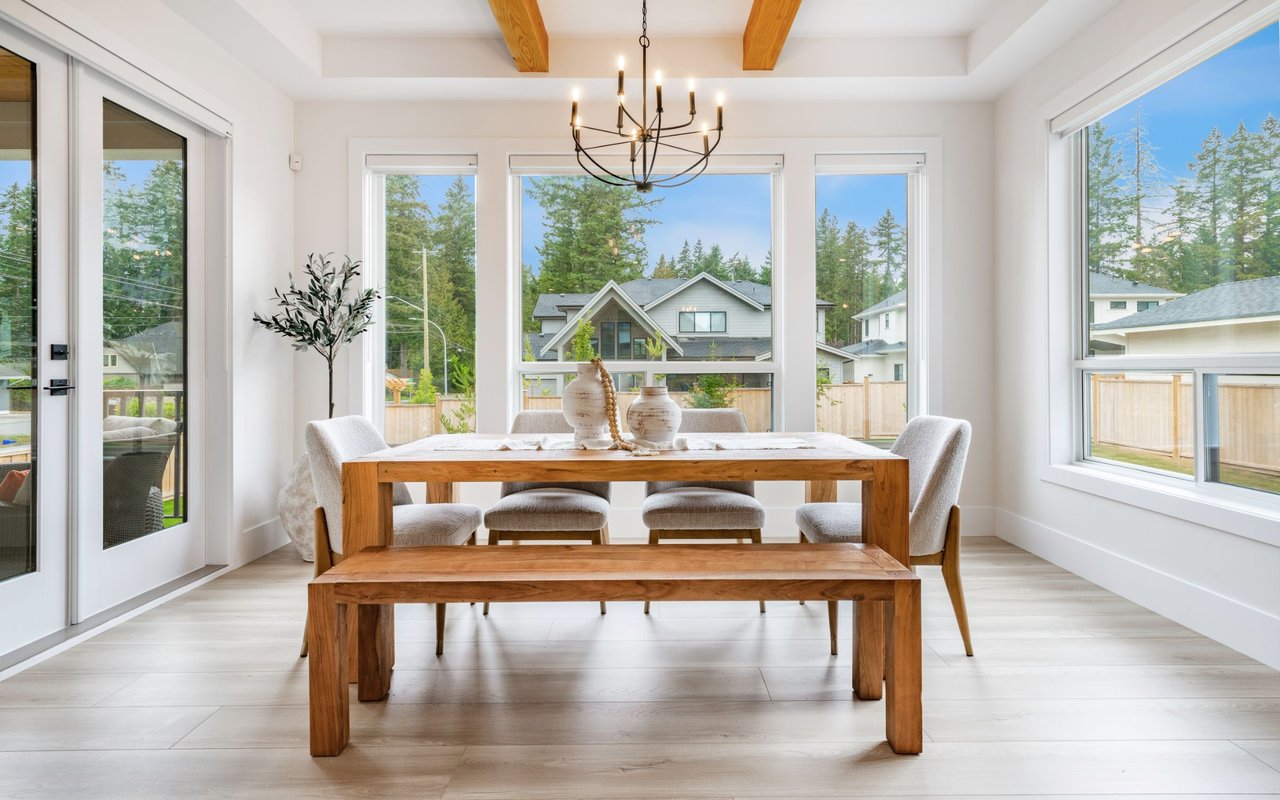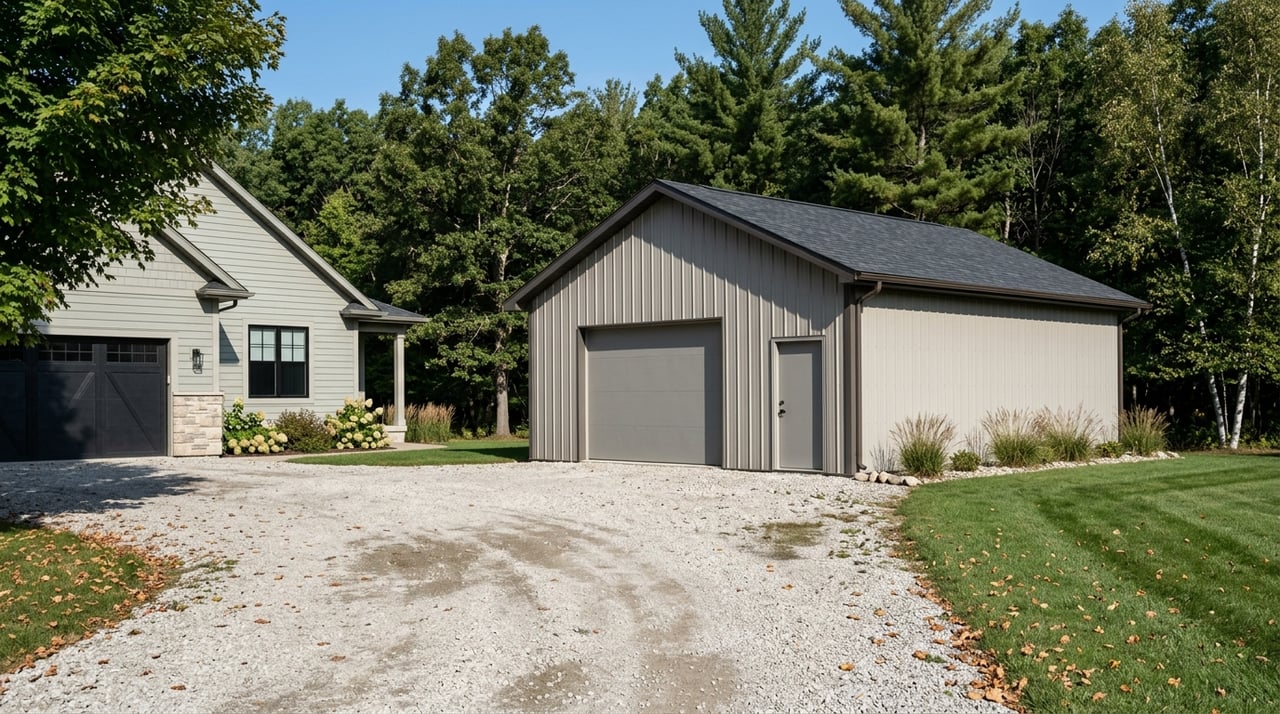
Dreaming about a few acres, a barn, and room to breathe in Pierce County? That vision can absolutely become reality, but rural property here needs a closer look than a typical home search. If you want land for gardening, animals, outbuildings, or a future build, you need to understand how zoning, access, wells, septic, and soils affect what you can actually do. Let’s dive in.
Why Pierce County acreage needs extra homework
Pierce County is a working agricultural landscape, not just a place with scenic open space. The county’s 2021 land and water plan reports 233,188 acres in farms in the 2017 census, with 166,265 acres, or 71%, identified as harvestable cropland. That matters because when you buy acreage here, you are often buying into an area shaped by active farming, county zoning, and land-use oversight.
The Pierce County Department of Land Management handles planning and zoning functions, while the Land Conservation Department provides review and technical assistance for zoning and subdivision administration. For you as a buyer, that means it is smart to ask land-use questions early, not after you fall in love with a listing.
Start with zoning, not the lifestyle label
“Hobby farm” is a popular real estate phrase, but it is not a zoning category in Pierce County. The more important question is which zoning district the parcel is in and whether the land was legally created.
Pierce County’s dimensional requirements show that lot minimums vary by district. Exclusive Agriculture requires a 35-acre minimum lot area, while Primary Agriculture, Agriculture-Residential, General Rural, General Rural-Flexible, Rural Residential-8, and Rural Residential-12 each show a 1-acre minimum lot area. Rural Residential-20 shows a 1-acre minimum for unsewered lots and 8,000 square feet for sewered lots.
That difference can affect everything from how the parcel was divided to what kind of future plans may be realistic. A listing may say “perfect hobby farm,” but the zoning district and lot history will tell you much more than the marketing description.
Why legal parcel creation matters
Pierce County’s certified survey map ordinance treats certain small land divisions as certified survey map land divisions that require county approval. Specifically, this applies when one to four parcels or building sites of 15 acres or less are created within five years.
In practical terms, you do not want to assume a split, add-on parcel, or newly marketed homesite was created in a way that supports your plans. Reviewing the parcel record and survey history early can help you avoid surprises later in the transaction.
Access and buildability come before acreage count
Acreage alone does not tell you whether a property works for your goals. In Pierce County, no lot may be created and no building may be placed without access to a public road or a recorded private road. The county also requires every building to sit on a lot of record.
This is one reason rural buyers should look beyond the headline number in the listing. Ten acres with limited access or a questionable building area may be less useful than a smaller parcel with clear legal access and a better site layout.
Wetlands and shoreland rules can affect usable land
Pierce County zoning says wetlands may count toward parcel size, but not for more than 25% of parcel size. The code also says all building sites must be located outside wetlands.
If you are looking at river-adjacent or waterfront acreage, shoreland rules add another layer. Pierce County’s shoreland regulations include lot-size standards, permit procedures, and variance processes that can affect setbacks and development options. This is an area where early verification matters.
Outbuildings are not automatic
Many buyers picture adding a shed, shop, barn, chicken coop, or other accessory building soon after closing. In Pierce County, accessory structures generally require a land use permit unless they fall under limited exceptions such as minor items or small nonhabitable structures of 100 square feet or less that can be easily moved.
The county also requires accessory structures to be on the same lot as the principal use. In general, they are not allowed until the principal structure is present or under construction.
That rule can be important if you are buying vacant land and planning to start with a barn or storage building first. In some residential districts, temporary accessory structures may be allowed, but they expire after 12 months unless a new permit is obtained.
Agricultural use, animals, and direct-market plans
Pierce County allows cultivation agriculture in all zoning districts without a land use permit, but structures still require permits. The code also says agricultural structures cannot be the principal structure in residential, commercial, or industrial districts.
If your vision includes animals, barns, or even a small farm stand, it helps to understand the details before you write an offer. Barnyards, feed lots, and farm structures housing animals must be at least 100 feet from navigable water and located so manure will not drain into navigable water.
What about chickens and small livestock?
For domestic fowl, Pierce County has a straightforward rule. Parcels under two acres may keep up to 10 domestic fowl and no roosters, while parcels of two acres or more have no county limit on the number or sex of domestic fowl.
That does not answer every livestock question, but it gives you a useful starting point if your goal is a small-scale setup with chickens or similar uses. If a parcel is close to water features or has unique site constraints, layout still matters.
If you want a farm stand or market use
Some acreage buyers hope to sell produce, flowers, eggs, or seasonal goods from the property. Pierce County’s code provides added detail for direct-market uses.
Most direct-market structures must meet normal setbacks. Temporary direct-market structures are capped at 160 square feet, and farmers markets require site plan approval and a land use permit. If this is part of your plan, it is worth confirming the rules before you assume the property fits that use.
Existing barns and manure systems deserve a closer look
Rural properties often come with more infrastructure than a typical residential home. If a property includes a barn, manure pit, lagoon, or other waste-storage feature, your due diligence should go deeper than a standard outbuilding review.
Pierce County’s Waste Storage Ordinance applies countywide and requires a permit for regulated waste-storage activity. New or substantially altered waste storage facilities must be designed, constructed, and maintained to minimize structural failure and waste discharge.
The ordinance also says a waste storage structure may not be within 350 feet of any property line or the nearest point of any public road right-of-way unless an exception applies. If you are considering livestock expansion or evaluating an existing system, records review becomes especially important.
Wells, septic, and soils are major decision points
For many Pierce County acreage purchases, private utility systems are part of the package. That means your inspection strategy should go beyond the house itself.
Private well expectations
According to the Wisconsin DNR, state law does not require a well inspection or water testing for a property transfer. Still, buyers and sellers may choose to inspect the well and pressure system, test the water, and search for unused wells.
If a well inspection is performed, it must be done by a licensed water well driller or licensed pump installer. The DNR says drinking-water wells are tested for coliform bacteria, nitrate, and arsenic, and the Wisconsin Department of Health Services reminds private-well owners that regular maintenance and inspection matter.
Septic and onsite wastewater systems
Wisconsin DSPS regulates Private Onsite Wastewater Treatment Systems through its POWTS program. For a rural purchase, it makes sense to verify the system age, repair history, tank location, pumping history, and any available county or state records before closing.
A septic system that works well for current use may still raise questions if you plan to remodel, add bedrooms, or change how the property is used. Early review helps you plan with better information.
Soils, slope, and drainage
Soils can make or break a rural property plan. Pierce County’s certified survey map ordinance requires sufficient soil evaluations to show each lot is suitable for a soil-absorption wastewater system, and it calls for a separate slope drawing where parts of the lot exceed 12% and 20% slope.
USDA NRCS provides official soil survey information through the Web Soil Survey, which can help you understand conditions on a specific area. In real life, that means the acre count in the listing is only the starting point. You still need to verify whether the land supports the use you have in mind.
Use county records early in your search
Before you assume a listing description tells the whole story, start with county records. Pierce County’s property-information search page is updated nightly with tax-payment information and is designed for parcel, ownership, and address searches.
That makes it a practical first stop for confirming ownership, legal description, and basic parcel details. It is a simple step, but one that can save time and sharpen your questions before you move too far into a purchase.
Farmland preservation can shape expectations
Pierce County participates in Wisconsin’s Farmland Preservation Program framework. The program is intended to help preserve farmland, protect soil and water, and reduce land-use conflicts, and county plans and zoning can support farmland-preservation zoning districts and Agricultural Enterprise Areas.
For you, this means a parcel may come with land-use expectations that differ from what a buyer assumes when they hear “country property.” If a property is in farmland-preservation zoning, an Agricultural Enterprise Area, or another conservation-related program, it is wise to understand how that affects current use and future plans.
A smart buying approach for Pierce County acreage
Buying acreage or a hobby-farm property in Pierce County is often less about the dream itself and more about matching that dream to the right parcel. The strongest rural purchases usually start with a clear plan for zoning, access, buildable area, utility systems, and site conditions.
That is where experienced guidance matters. When you have the right local support and a careful process, you can move forward with more confidence and a clearer picture of what the property can truly offer.
If you are exploring acreage, hobby farms, or lifestyle properties in Pierce County, Melissa Wiegele can help you approach the search with local insight, a steady process, and the right questions from the start.
FAQs
What does “hobby farm” mean in Pierce County real estate?
- In Pierce County, “hobby farm” is not a zoning category. You need to verify the parcel’s zoning district, legal lot status, access, and site conditions to understand what the property can support.
What zoning minimums matter for Pierce County acreage buyers?
- Pierce County lot minimums vary by zoning district. For example, Exclusive Agriculture shows a 35-acre minimum lot area, while several other rural and agricultural districts show a 1-acre minimum lot area.
Can you build on any acreage parcel in Pierce County?
- Not automatically. Pierce County requires access to a public road or recorded private road, buildings must be on a lot of record, and building sites must be outside wetlands.
Do you need a permit for barns or sheds in Pierce County?
- Often, yes. Pierce County generally requires a land use permit for accessory structures, with limited exceptions for certain minor or small movable nonhabitable structures.
How many chickens can you keep on a Pierce County parcel?
- On parcels under two acres, the county allows up to 10 domestic fowl and no roosters. On parcels of two acres or more, the county has no limit on the number or sex of domestic fowl.
Should you inspect a private well before buying rural property in Pierce County?
- Wisconsin law does not require a well inspection or water test for property transfer, but buyers may choose to inspect the well system, test the water, and check for unused wells before closing.
What should you review about septic on a Pierce County acreage property?
- You should verify the onsite wastewater system’s age, repair history, tank location, pumping history, and any available county or state records before closing.
Why do soils and slope matter for Pierce County land purchases?
- Soils and slope affect whether land may support a soil-absorption wastewater system and other improvements. In Pierce County, steep slopes and soil suitability can directly affect buildability and future plans.